A historical document is much more than the words written on a page. Its colours, materials, texture, illustrations and binding are all part of its identity. Reproducing these details accurately requires far more than scanning an old document and printing a copy.
Professional historical document reproduction combines historical research, high-resolution digitization, colour management, specialist printing and, when necessary, traditional bookbinding. The aim is to create a faithful reproduction that allows people to study, display and appreciate historical documents while reducing the need to handle fragile originals.
At Incipit Manuscript, we specialize in producing high-quality facsimile editions for publishers, libraries, cultural institutions and other organizations. Our work has recently received recognition from Spain’s Ministry of Culture, which awarded our facsimile of the Phainomena of Aratus the Best Edited Book award in the facsimile category.
But what makes a historical document reproduction truly faithful, and how does the production process work?
What Is Historical Document Reproduction?
Historical document reproduction is the process of creating a copy of a historical manuscript, book, map, letter or other documentary object while preserving its significant visual characteristics and, where required, its physical qualities.
The term covers a wide range of projects. An archival reproduction may focus primarily on producing a clear, accurate image for research or exhibition. A professional facsimile, however, can go much further, recreating the original’s dimensions, colours, decorative details, paper, binding and overall appearance.
The difference is particularly important when working with illuminated manuscripts, medieval books and other objects whose value lies not only in their written content but also in their craftsmanship and material history.
A successful facsimile does not simply make an old document look attractive. It aims to reproduce the characteristics that make the original unique.
This is why professional reproduction begins with understanding the object itself. Its materials, condition, dimensions, decoration and historical context all influence the decisions made during production.
How Are Historical Documents Reproduced?
Creating a faithful historical document reproduction involves several interconnected stages. Each contributes to the accuracy and quality of the finished edition.
Research, digitization and colour management
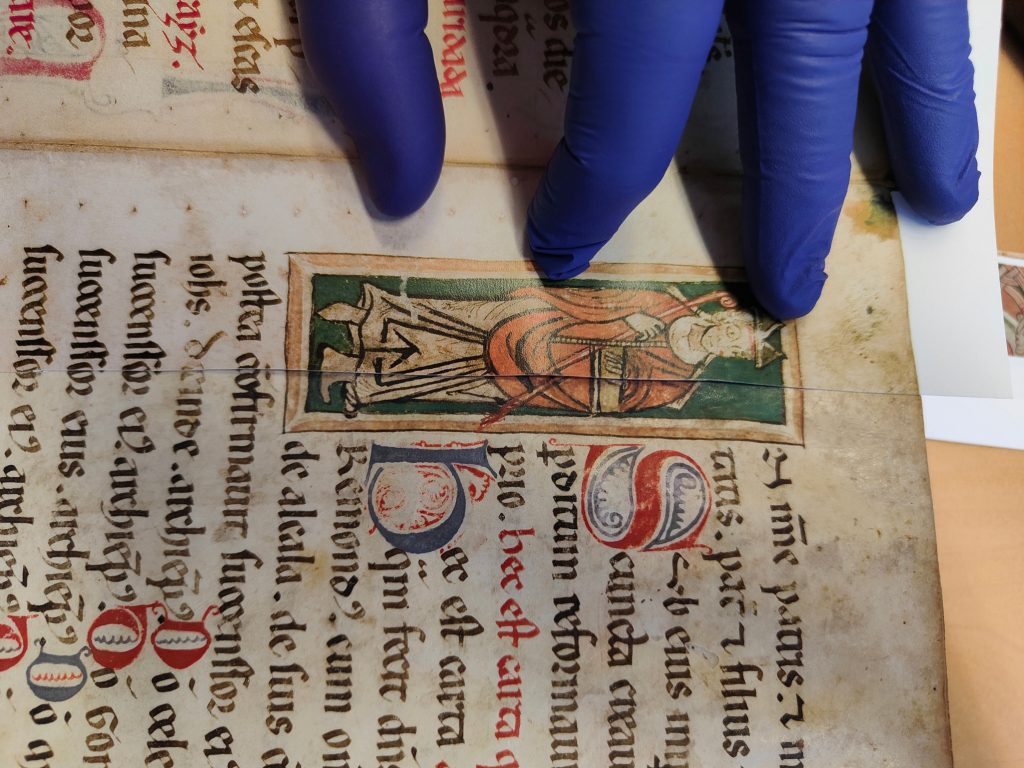
Before production begins, the original must be carefully studied and documented. This helps identify the details that need particular attention, from faded pigments and surface irregularities to decorative elements and traces of ageing.
High-resolution photography or digitization then captures the visual information required for reproduction. The quality of this initial capture is crucial: details that are not recorded properly cannot simply be recovered during printing.
Colour management is equally important. The colours displayed on a monitor do not necessarily correspond to those reproduced on paper. Lighting, the printing process, inks and the chosen material can all influence the final result.
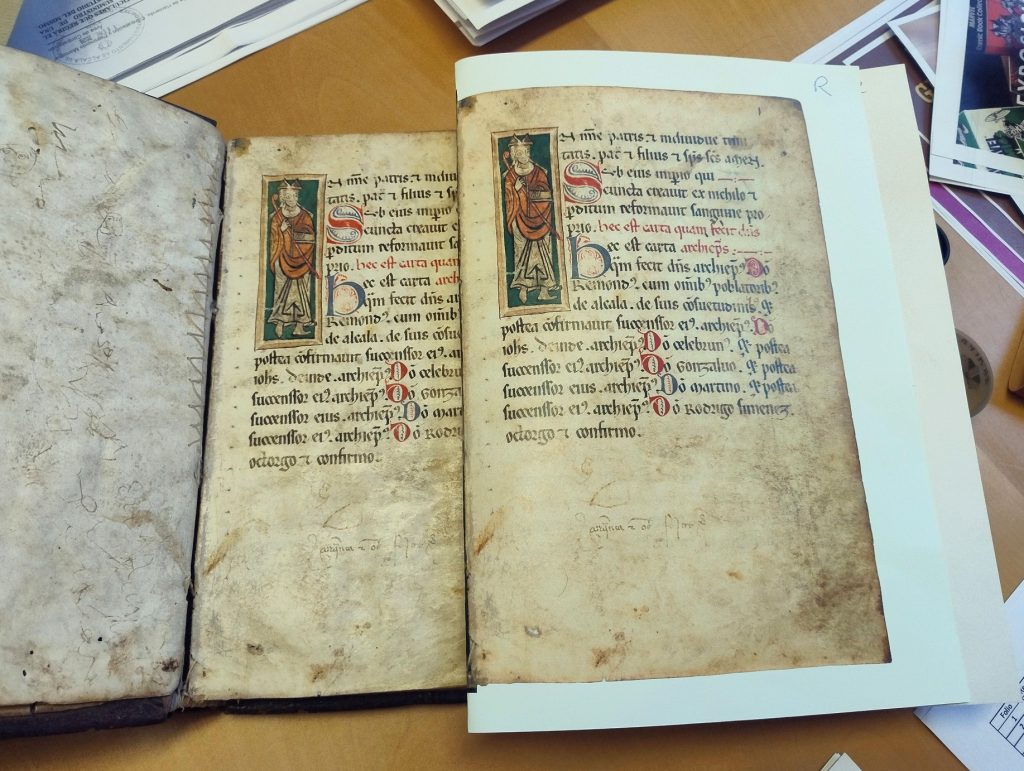
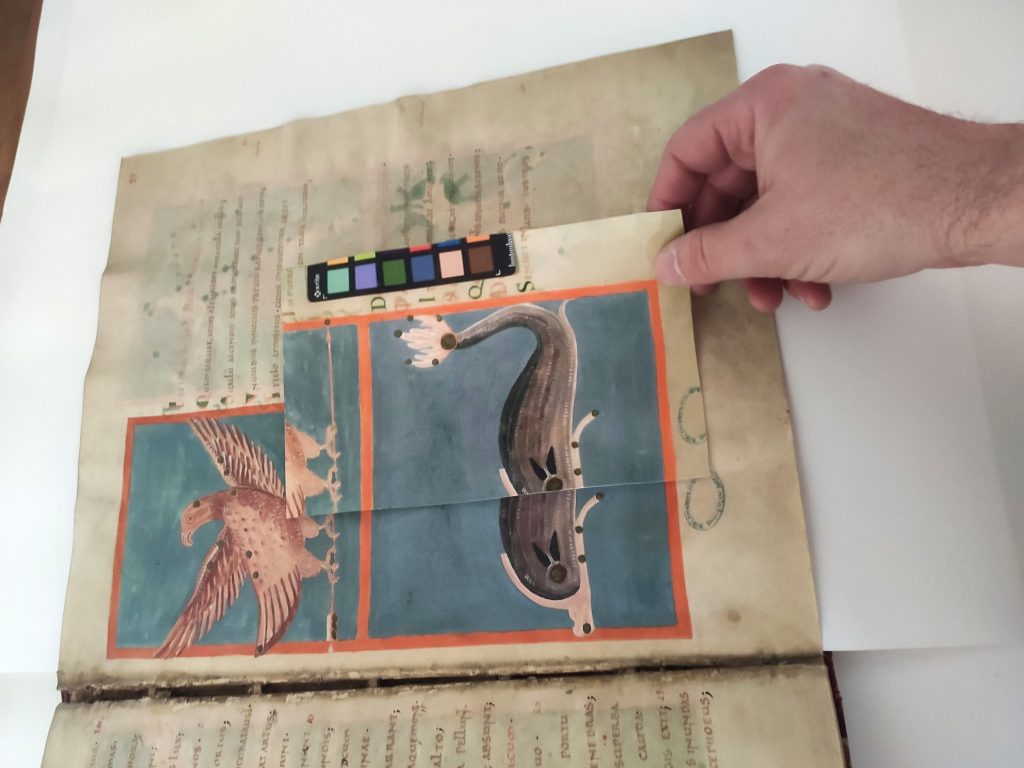
At Incipit Manuscript, we can carry out colour management on-site, working at the institution where the original manuscript is preserved. We use the necessary equipment and printing tests to compare the reproduction with the original and refine the result.
Specialist printing and decorative details
Once the digital files have been prepared, the project moves into pre-press and printing. This stage requires careful attention to image resolution, colour accuracy, registration and the consistency of the printed sheets.
Some manuscripts present additional challenges. Illuminated books, for example, may contain gold or silver decoration that cannot be reproduced convincingly using ordinary colour printing alone.
Our production process includes specific masking for gold and silver applications when required. We also use stochastic screening and offset printing with up to ten colours to reproduce complex hues and fine details.
These techniques help us achieve a result that respects the visual character of the original rather than producing a simplified interpretation of it.
Materials, finishing and bookbinding
The choice of paper and other materials is another essential part of facsimile production. Surface texture, colour, weight and opacity all affect how the finished page looks and feels.
We select materials according to the characteristics of the original and the requirements of each project. Depending on the edition, the process may also include ageing techniques, decorative finishes and handmade bookbinding.
At Incipit Manuscript, our services extend from research and digitization to printing, finishing and binding. This integrated approach allows us to coordinate the different stages and maintain consistency throughout production.
The objective is to create a complete physical object, not merely a printed image.
What Makes a High-Quality Historical Facsimile?
A high-quality facsimile must balance several aspects of fidelity.
Visual accuracy is the most immediately noticeable. Colours, illustrations, lettering and decorative details should correspond closely to the original. Even relatively small differences can change the appearance of an illuminated manuscript.
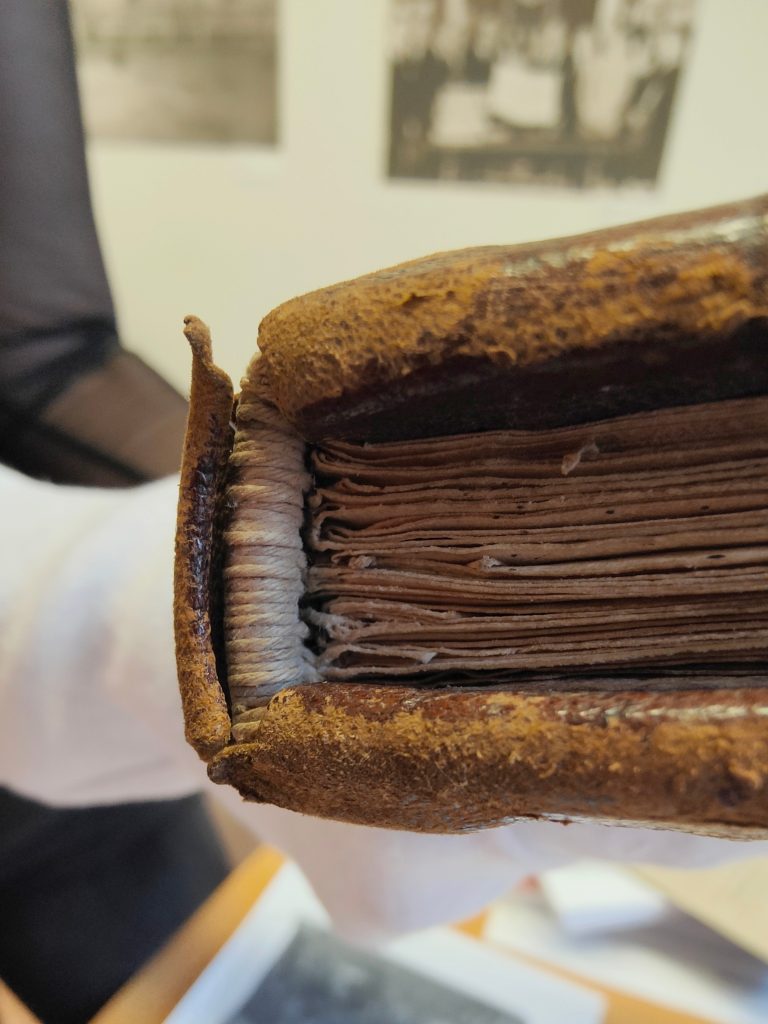
Material fidelity is also important. Paper, texture, dimensions and binding contribute to the experience of handling a historical book. Reproducing these characteristics helps distinguish a carefully produced facsimile from an ordinary printed copy.
Historical accuracy provides the wider context. Research and documentation help ensure that the reproduction corresponds to the historical object and that the accompanying information is reliable. Scholarly studies can add further value by explaining the manuscript’s origins and significance.
Finally, craftsmanship and quality control bring these elements together. The printing must be consistent, the finishing precise and the binding appropriate to the project.
In our experience, the quality of a facsimile depends on how well these decisions work together. Advanced printing equipment is valuable, but it cannot compensate for inadequate research, poor colour references or unsuitable materials.
Historical Document Reproduction for Museums, Libraries and Institutions
Museums, libraries, archives and cultural institutions often need to make historical documents accessible without exposing fragile originals to unnecessary handling.
A professional reproduction can provide an alternative for exhibitions, educational activities, research and public engagement. Depending on its purpose, it may reproduce the document’s appearance for display or recreate more of its physical characteristics for closer study.
Facsimiles can also make cultural heritage accessible when an original cannot travel or be handled regularly. They do not replace the historical object, but they can help more people appreciate its importance.
For institutions commissioning a reproduction, the production process should be tailored to the document’s condition, intended use and required level of fidelity. A museum display, a scholarly edition and a collector’s facsimile may all demand different technical and material solutions.
At Incipit Manuscript, we approach each commission individually, combining specialist production techniques with attention to the historical and cultural significance of the source.
Our Experience in Historical Document Reproduction
Our work at Incipit demonstrates how research, printing expertise and traditional craftsmanship come together in the production of historical facsimiles.
Two recent projects illustrate different aspects of this work:
The award-winning Phainomena of Aratus
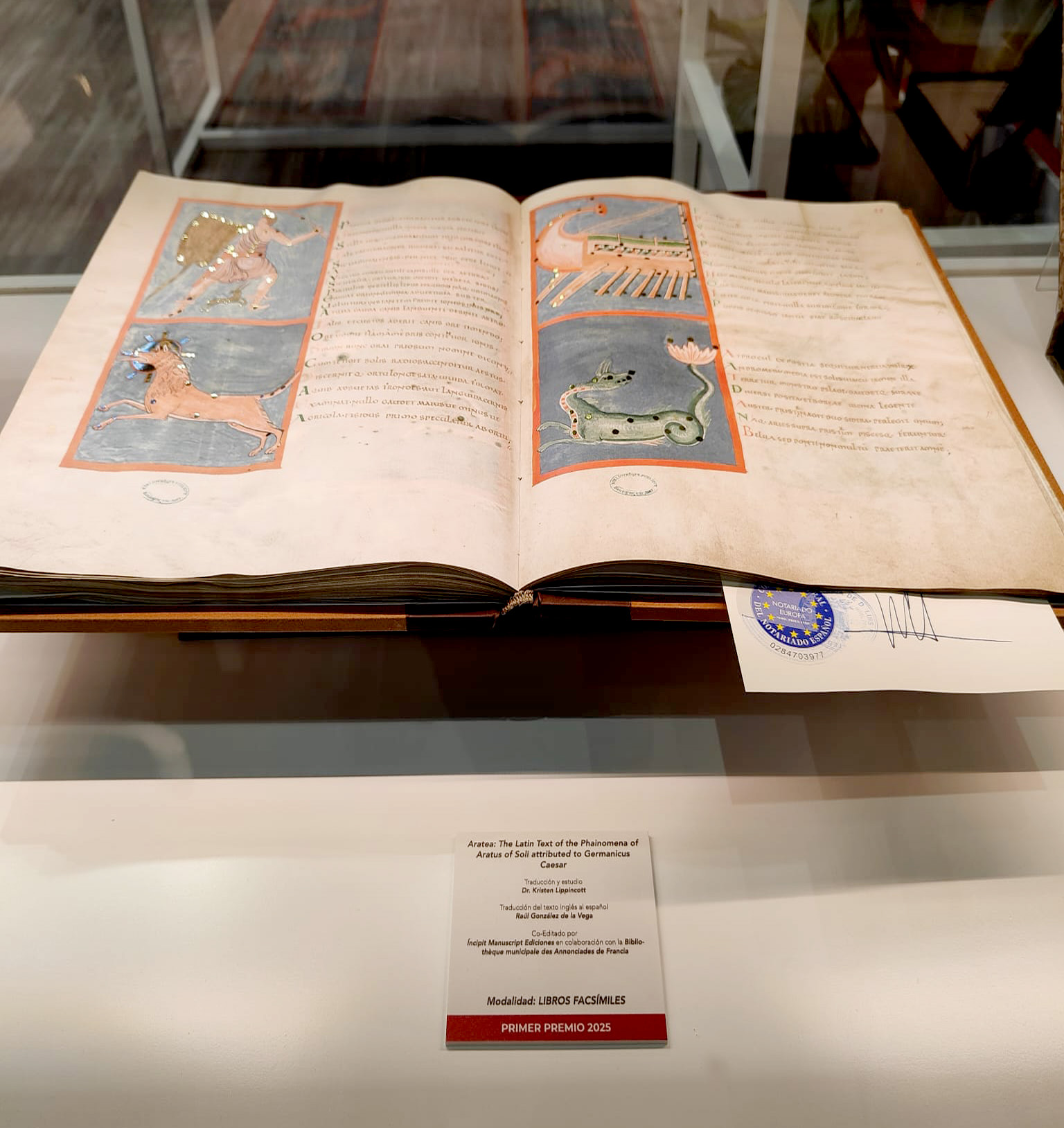
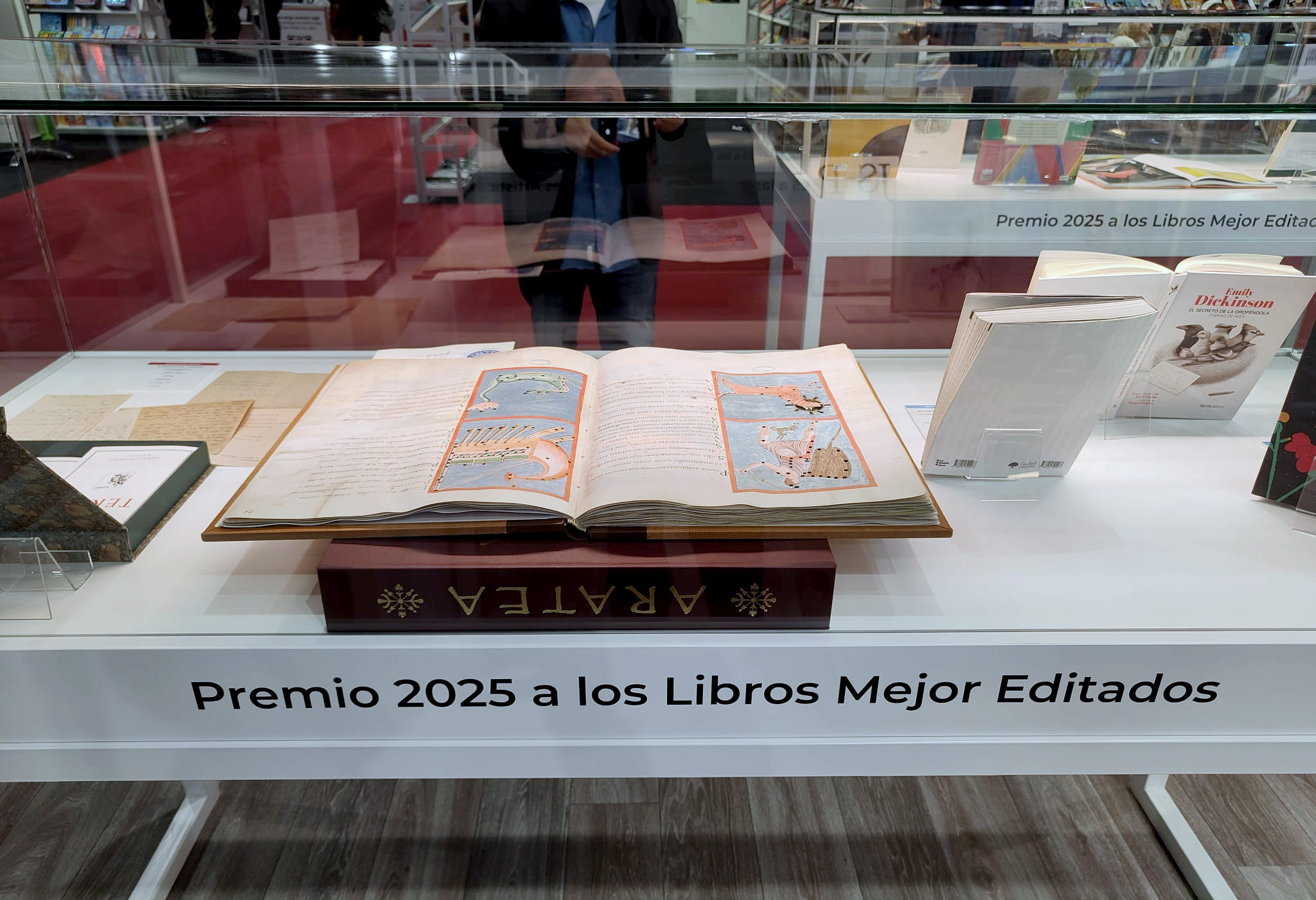
Our facsimile of the Phainomena of Aratus, based on a tenth-century manuscript preserved at the Bibliothèque municipale des Annonciades in Boulogne-sur-Mer, received Spain’s Ministry of Culture award for Best Edited Book in the facsimile category.
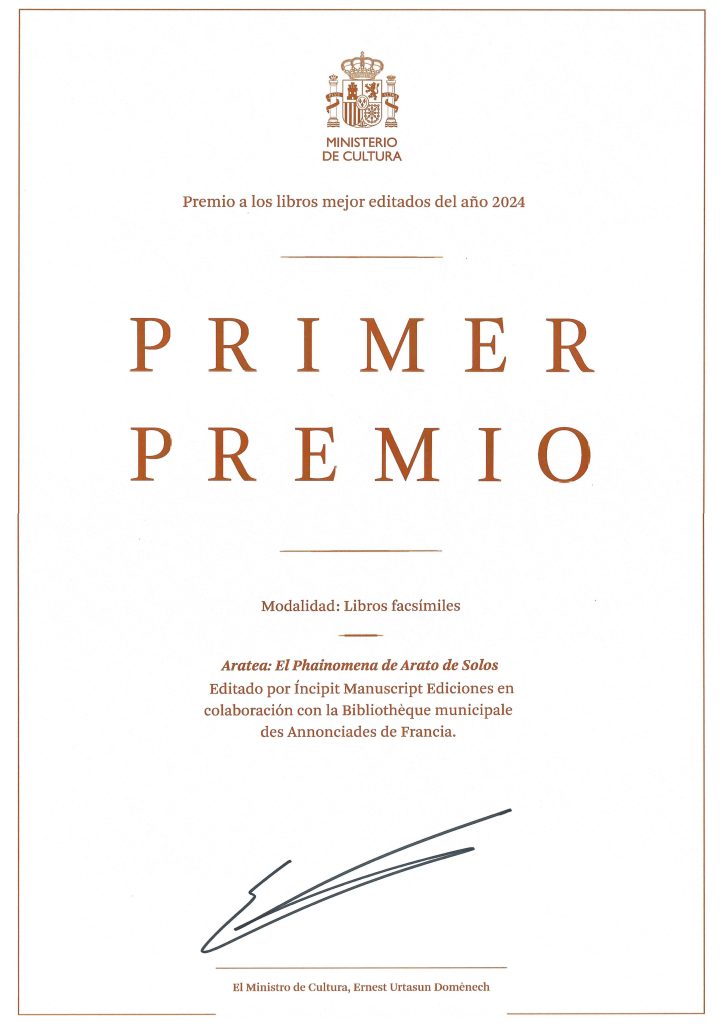
In 2026, Phainomena of Aratus received the award for Best Edited Facsimile at the LIBER International Book Fair, held in Barcelona. This recognition highlights the quality of the edition and Incipit Manuscript’ commitment to producing faithful, high-quality reproductions of historical manuscripts.
The manuscript is notable for its astronomical illustrations and its place in the transmission of classical knowledge through the Middle Ages. Reproducing it required careful attention to the illustrations, colour treatment, paper and binding.
The jury highlighted the realism of the illustrations and colour reproduction, together with the quality of the paper and the expertise demonstrated in the binding.
For us, this recognition reinforces an important principle: a successful facsimile depends on the quality of the entire production process, including details that may initially seem minor.
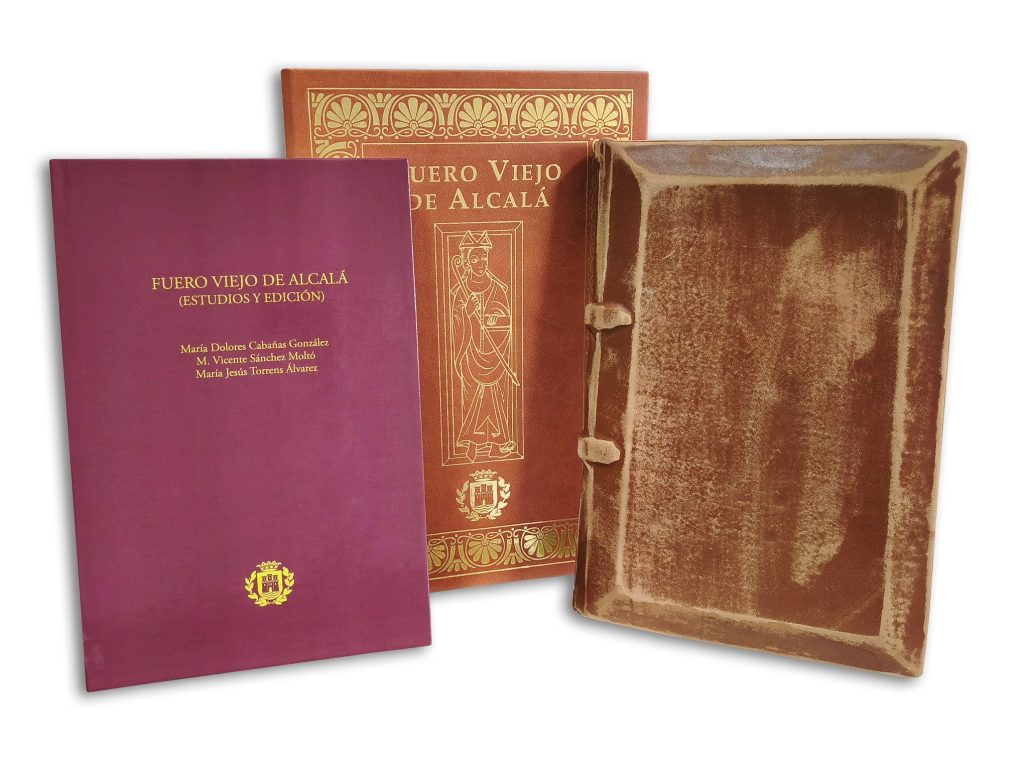
The Fuero Viejo de Alcalá de Henares
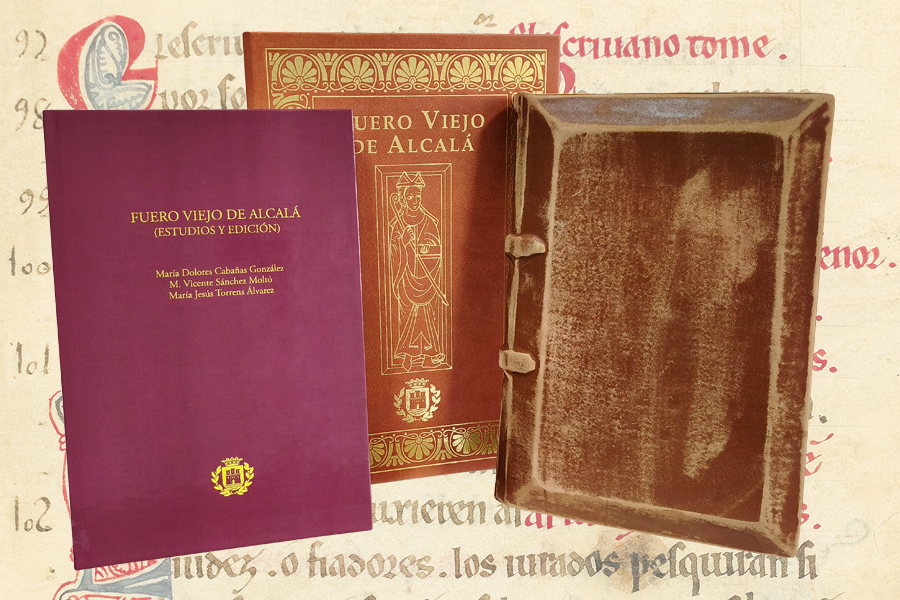
In 2026, Incipit Manuscript won the tender to produce a facsimile edition of the Fuero Viejo de Alcalá de Henares for the municipality’s City Council, together with a study of the document.
This project concerns a significant part of the town’s documentary heritage. The original manuscript is associated with Alcalá de Henares’ medieval legal history, making fidelity and respect for the source particularly important.
Working on an institutional commission of this kind requires more than reproducing the appearance of a historical document. The finished edition must meet the project’s requirements while respecting the original and its cultural significance.
The project reflects our commitment to helping institutions preserve and share documentary heritage through carefully produced facsimiles.
Facsimile Reproduction vs. Digital Scanning
Digital scanning and facsimile production are related, but they serve different purposes.
Scanning creates a digital representation of a document. It can be an essential first step in reproduction, but it does not by itself recreate the physical characteristics of the original.
A facsimile may use high-resolution digital capture as its foundation, then add colour correction, specialist printing, carefully selected materials, decorative finishes and binding.
The distinction is simple: scanning captures the document’s image, while facsimile production aims to recreate its appearance as a physical object.
The right approach depends on the intended use. If the priority is access to the text, a digital reproduction may be sufficient. If visual accuracy, material qualities or a faithful book format are essential, a more comprehensive facsimile process may be appropriate.
How to Choose a Historical Document Reproduction Service
Choosing a specialist begins with defining the purpose of the project. Before commissioning a reproduction, consider the following questions:
- What type of document needs to be reproduced?
- Where is the original held, and what handling restrictions apply?
- Will the reproduction be used for research, exhibition, education or collecting?
- How important are colour accuracy, texture and material fidelity?
- Does the original contain gold, silver or other special decorative elements?
- Is binding or an accompanying scholarly study required?
- How many copies are needed, and what quality standards must the edition meet?
The answers will help determine the appropriate workflow, materials, printing techniques and finishing requirements.
It is also worth choosing a provider with experience in the complete production process. Photography, pre-press, printing and binding are closely connected, and decisions made at one stage can affect the quality of the final result.
At Incipit Manuscript, we offer an integrated approach to facsimile production, from research and digitization to printing, quality control and handmade binding. Our aim is to help publishers and institutions create reproductions that respect the original and meet the specific needs of each project.
If you are planning a historical document reproduction or a complete facsimile edition, you can explore our facsimile production services to learn more about our approach.
Frequently Asked Questions About Historical Document Reproduction
How much does historical document reproduction cost?
The cost depends on the complexity of the project, the number of pages, access to the original, digitization requirements, printing method, materials, special finishes, binding and edition size. A detailed assessment is the best way to establish the scope and cost of a professional facsimile.
How long does it take to produce a historical facsimile?
Production time varies according to the document and the required level of fidelity. Research, photography, colour testing, pre-press, printing, finishing and binding all need to be considered when establishing a realistic schedule.
Can fragile manuscripts be reproduced?
Yes, many fragile manuscripts can be reproduced, provided the digitization and handling process is adapted to their condition and any restrictions imposed by the holding institution. Protecting the original should always take priority.
What is the difference between a replica and a facsimile?
The terms sometimes overlap, but a facsimile generally aims for a high degree of fidelity to a specific original. Depending on the project, this may include dimensions, colour, materials, decoration and binding, rather than simply reproducing the document’s general appearance.
What makes a museum-quality facsimile?
A museum-quality facsimile combines careful research, high-resolution capture, accurate colour management, suitable materials, precise printing and expert finishing. The appropriate standard depends on the original and the intended use of the reproduction.
Conclusion: Making Historical Documents Accessible
Historical document reproduction brings together research, technology and craftsmanship to make the past more accessible.
A successful facsimile preserves far more than words and images. It seeks to reproduce the colours, materials, proportions, decorative details and physical character that make a historical document distinctive.
At Incipit, projects such as the award-winning Phainomena of Aratus and the Fuero Viejo de Alcalá de Henares demonstrate our commitment to this approach. Every original presents its own challenges, and every project deserves a production process adapted to its historical and material characteristics.
The ultimate goal is to create a reproduction that allows people to study, display and appreciate a historical document while respecting the importance of the original.
That is what turns a simple copy into a carefully crafted historical facsimile.