The Codex Calixtinus, also known as the Book of Saint James (Liber Sancti Iacobi), is one of the most important medieval manuscripts in existence and one of the greatest documentary treasures preserved in the Cathedral of Santiago de Compostela.
Widely regarded as the most important book associated with the Way of St. James, it brings together liturgical texts, miracle accounts, medieval chronicles and what is often considered the first pilgrim guide in European history.
Its significance extends far beyond religion. The manuscript provides exceptional insight into medieval society, the development of the Jacobean pilgrimage routes and the rise of Santiago de Compostela as one of the great spiritual centres of Western Europe.
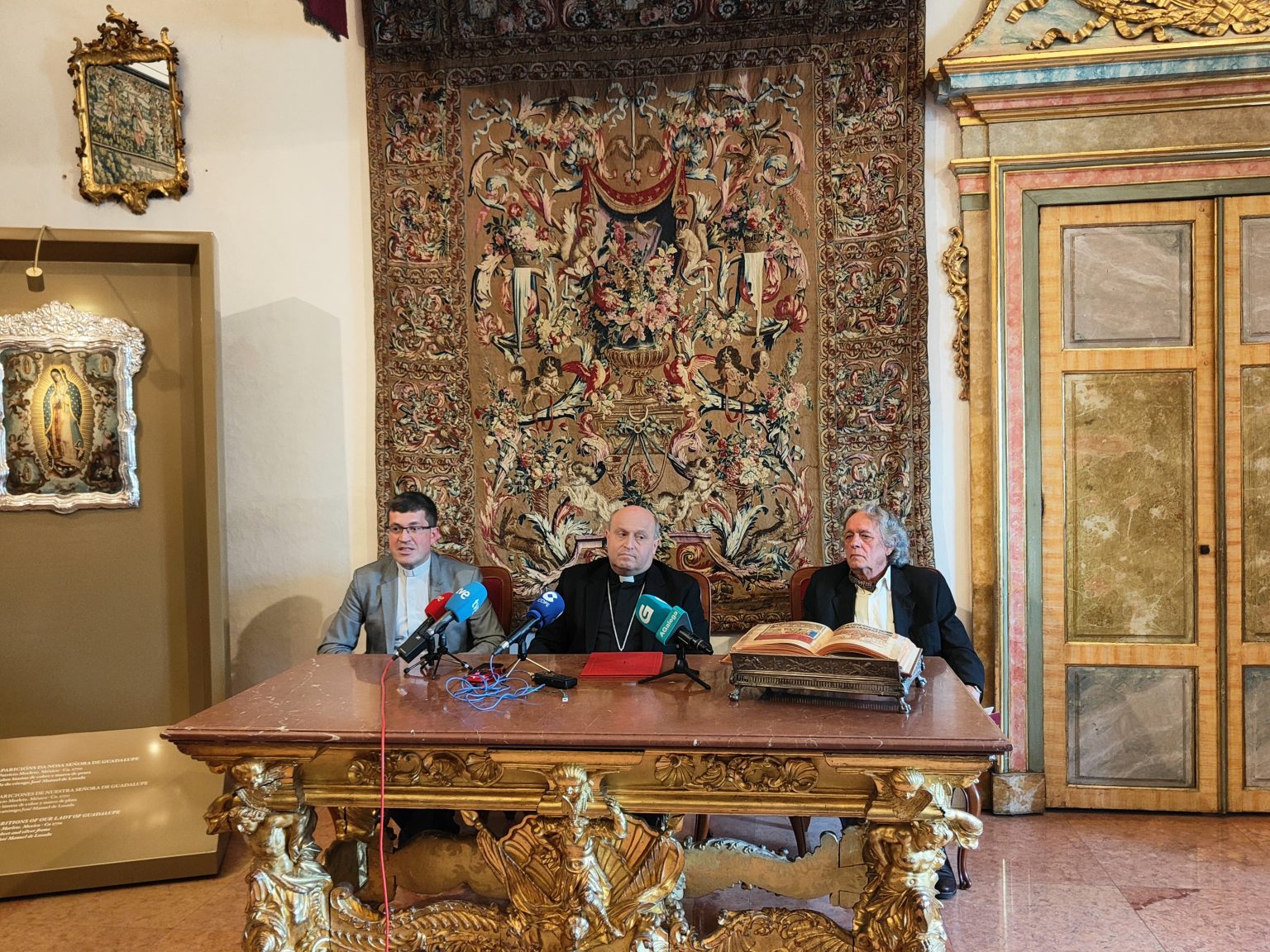
Nearly nine centuries after its creation, interest in this remarkable work remains stronger than ever. A new facsimile edition produced by Incipit Manuscript has made it possible to bring the manuscript back to life, reproducing every detail of the original preserved in the Cathedral Archive with extraordinary accuracy.
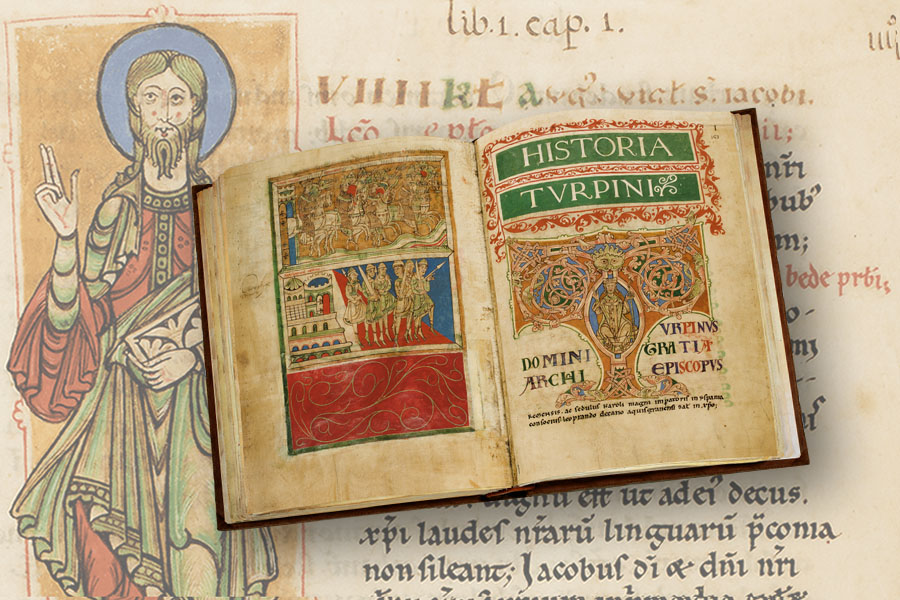
What is the Codex Calixtinus?
The Codex Calixtinus is a manuscript compiled during the 12th century with the aim of promoting devotion to Saint James and reinforcing Compostela’s position as one of the most important pilgrimage destinations in medieval Christendom.
Traditionally, the work was attributed to Pope Calixtus II, which explains the name by which it is known today. Modern scholarship, however, considers it a collective work produced by several authors and scribes connected to the ecclesiastical environment of Compostela.
Beyond its religious importance, the codex is an invaluable historical source for understanding medieval Europe and the development of the pilgrimage routes leading to Santiago de Compostela.
When was the Codex Calixtinus written?
Most scholars place the creation of the manuscript between the mid-12th and early 13th centuries, during the period when pilgrimages to Santiago reached unprecedented levels.
At the time, thousands of travellers from France, England, Germany and Italy crossed Europe on their way to the shrine of Saint James. The Way of St. James was becoming one of the continent’s great spiritual routes, alongside Rome and Jerusalem.
The Codex Calixtinus emerged within this context and played a significant role in supporting and promoting the pilgrimage movement.
The five books of the Codex Calixtinus
The manuscript is divided into five major sections.
Book I: Liturgy and the Cult of Saint James
This section contains sermons, hymns, readings and musical compositions intended for religious celebrations dedicated to Saint James.
Book II: The Miracles of Saint James
It brings together accounts of miracles attributed to the Apostle and shared among medieval pilgrims.
Book III: The Translation of the Apostle’s Relics
This section recounts the tradition describing the transfer of Saint James’s remains from the Holy Land to Galicia.
Book IV: The Historia Turpini
It presents the legendary connection between Charlemagne and the spread of the cult of Saint James across Europe.
Book V: The Pilgrim’s Guide
The most famous part of the manuscript, this section describes routes, towns, relics, customs and practical advice for travellers heading to Compostela.
For this reason, it is often described as the first travel guide in European history.
Why is the Codex Calixtinus important to the Way of St. James?
Few books have had such a profound influence on the development of the Way of St. James.
The manuscript helped spread awareness of the pilgrimage throughout Europe and contributed to establishing Compostela as one of the most important religious destinations of the Middle Ages.
It also provides unique information about the experiences of medieval pilgrims, the territories they crossed and the cultural traditions associated with the pilgrimage routes.
The theft of the Codex Calixtinus and its recovery
In 2011, the manuscript became the centre of one of the most surprising episodes in the history of Spanish cultural heritage when it disappeared from the Cathedral Archive of Santiago de Compostela.
The news attracted international attention because of the codex’s extraordinary historical and symbolic value.
Following a complex police investigation, the manuscript was recovered and returned to the secure conservation conditions required for a documentary treasure of global significance.
How the new facsimile edition of the Codex Calixtinus was created
The exceptional importance of the manuscript inspired Incipit Manuscript to undertake one of the most ambitious publishing projects in its history: the creation of a new facsimile edition capable of reproducing the original with the highest possible level of accuracy.
The objective was not simply to reproduce the text. The edition also needed to reflect the physical appearance of the manuscript, its material characteristics and the marks left by nearly nine centuries of history.
Two days working directly with the original manuscript
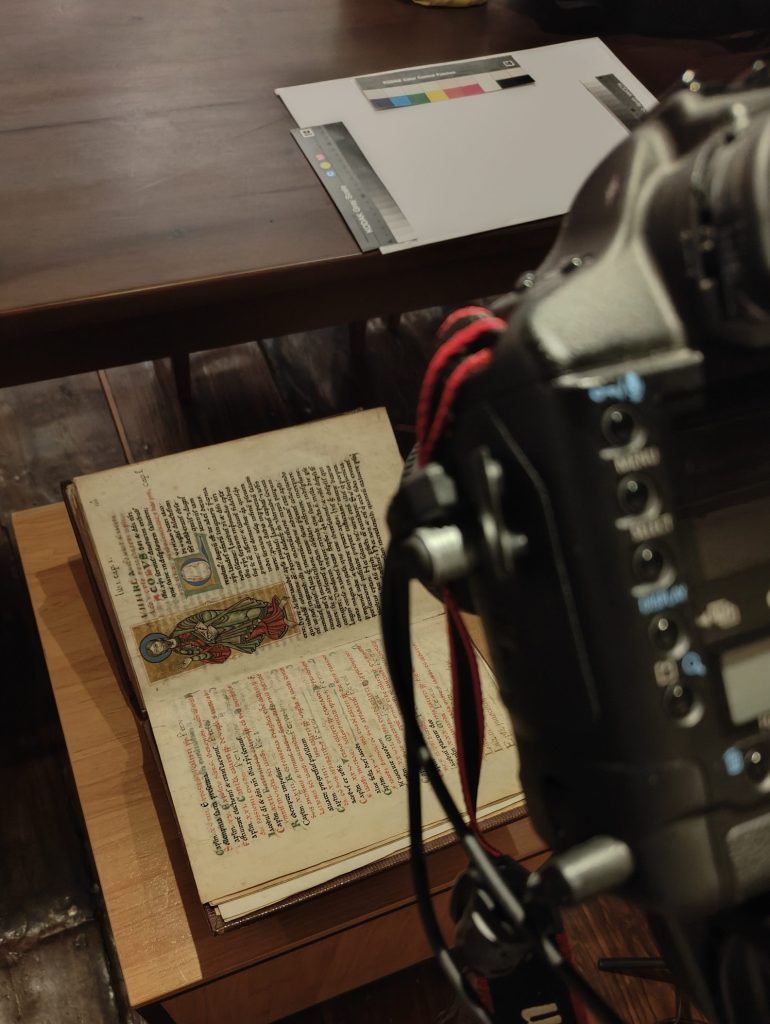
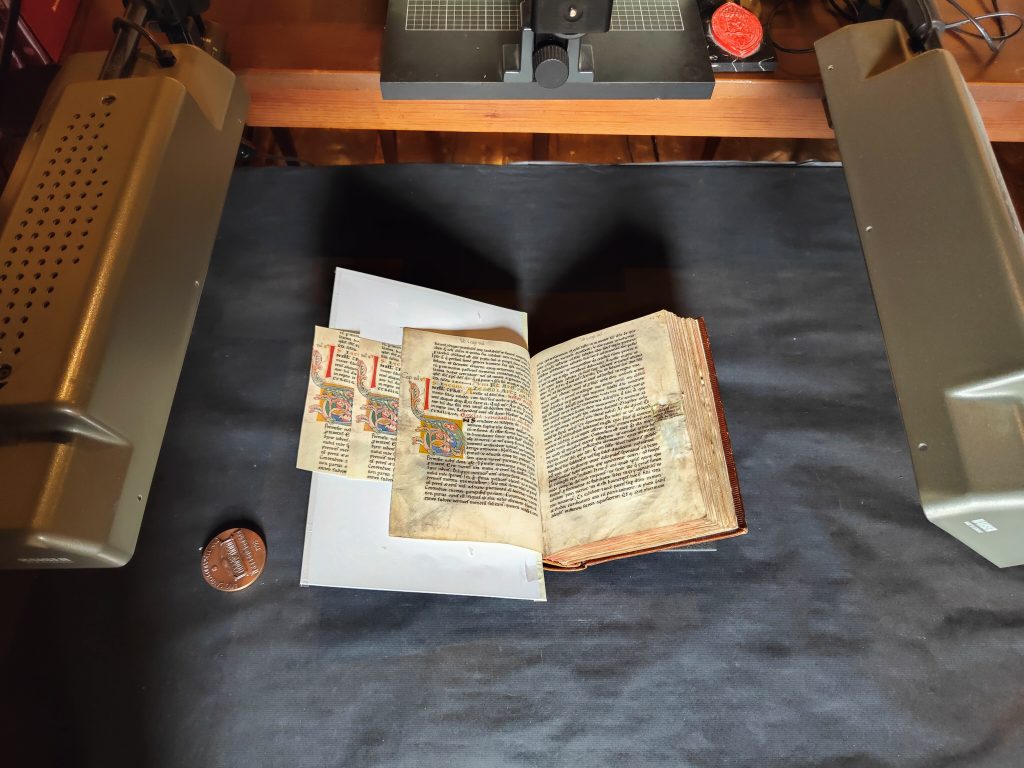
The photographic campaign took place in early July 2025 inside the Archive of the Cathedral of Santiago de Compostela.
Over the course of two full days, the Incipit Manuscript team worked alongside the Cathedral Archive staff, led by Francisco Buide, documenting every folio of the manuscript in meticulous detail.
Those sessions became the foundation of the entire project.
More than 900 photographs to capture every detail
The reproduction process required more than 900 high-resolution photographs.
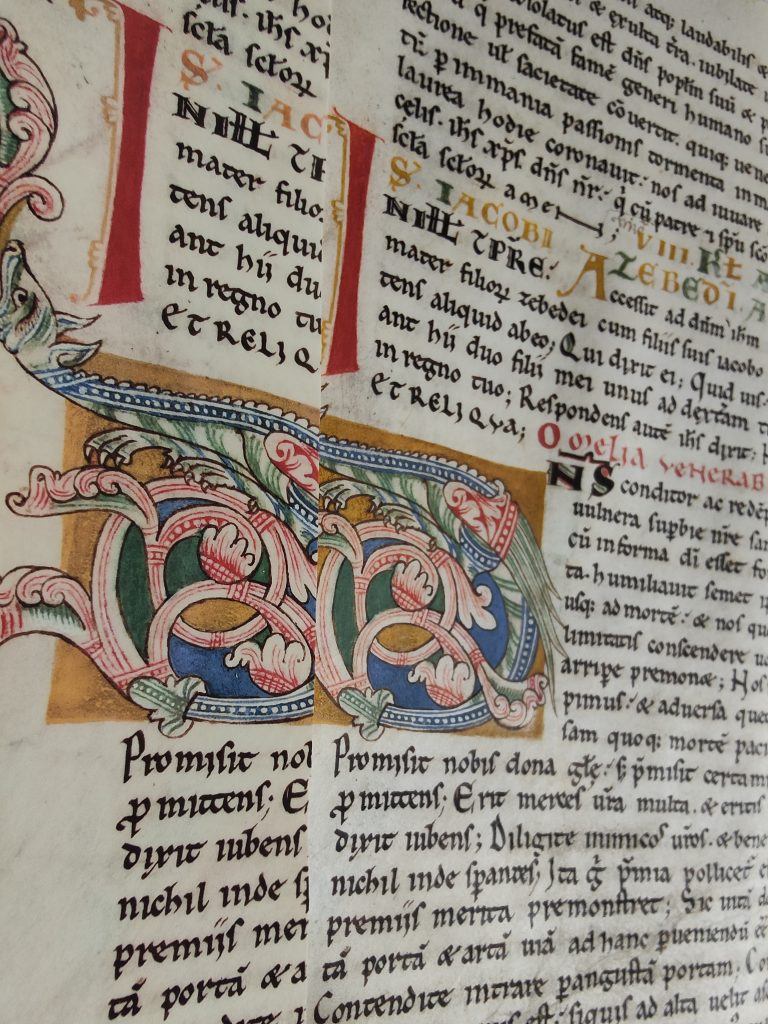
These images recorded not only the manuscript’s texts and illuminations but also crucial physical features, including textures, irregularities, deformations, material losses and centuries of accumulated wear.
This extensive documentation made it possible to create an exceptionally accurate reproduction of the original codex.
More than a year of editorial work
Producing the facsimile required over a year of specialised work.
Once the photographic campaign had been completed, the project entered a lengthy phase of image processing, colour correction, editorial supervision, layout design and quality control.
Every stage pursued a single goal: to ensure that the facsimile conveyed the same visual impression as the original manuscript.
The challenge of reproducing eight centuries of history
One of the most demanding aspects of the project was avoiding the appearance of a modern reproduction.
The aim was to recreate the manuscript exactly as it survives today.
The most difficult pages to reproduce
Ironically, the greatest challenges were not the most beautiful or visually striking pages.
The most demanding work involved folios that displayed the highest degree of deterioration.
Wrinkles, distortions, material losses, colour alterations and visible signs of wear required particular attention to ensure complete fidelity to the original.
Seven colour proofs compared directly with the original Codex
Colour reproduction represented another major challenge.
The team produced approximately seven different colour proofs before approving the final layout.
Each proof was compared directly with the original manuscript until the tones accurately reflected its current appearance.
Rather than enhancing the manuscript, the objective was absolute fidelity.
Faithful even to the original wear and tear
One of the defining characteristics of this facsimile edition is its reproduction of the manuscript’s physical history.
Creases, signs of use, support alterations and small imperfections form part of the codex’s story and are therefore present in the facsimile as well.
As a result, the edition reproduces not only the contents of the Codex Calixtinus but also the material evidence of its journey through nearly nine centuries.
Features of the new facsimile edition of Codex Calixtinus
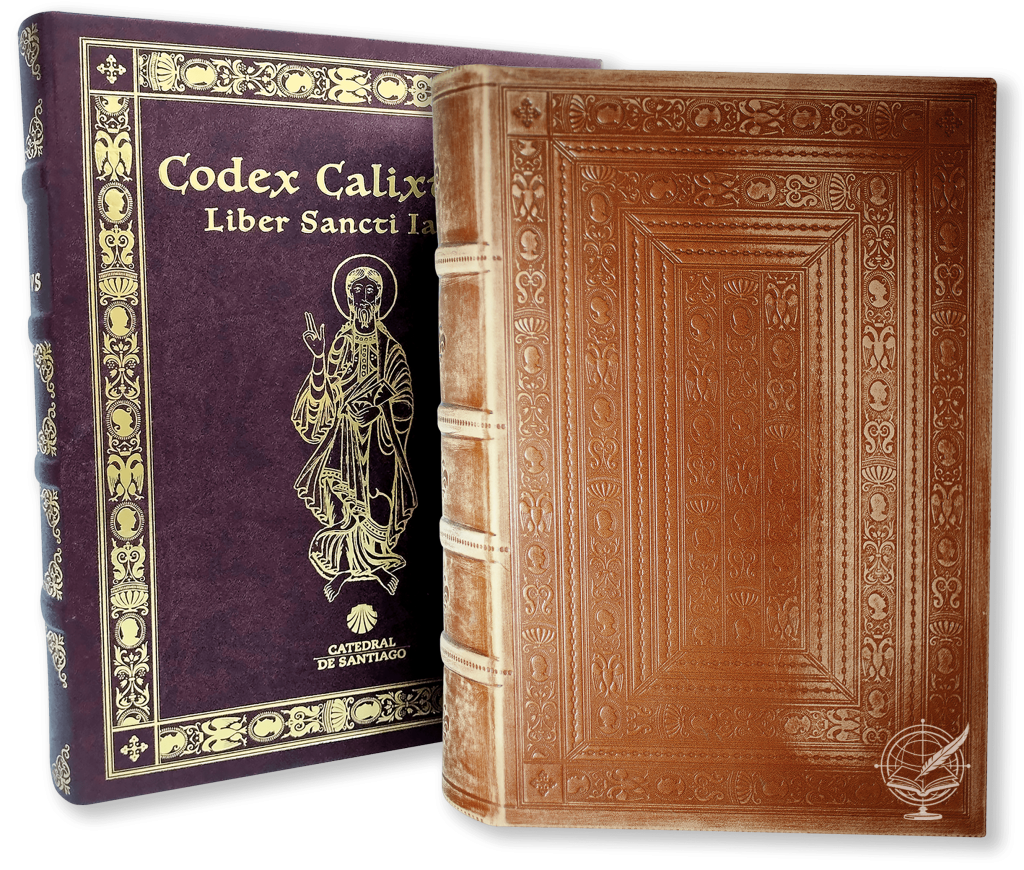
The new edition produced by Incipit Manuscript is limited to 500 numbered copies.
The volume reproduces approximately 450 pages of the original manuscript and weighs around six kilograms.
Its binding has been handcrafted in fire-stamped cowhide leather, respecting the historical character of the work.
Each copy also includes complementary documentation designed to provide additional context for one of the most important manuscripts in European cultural heritage.
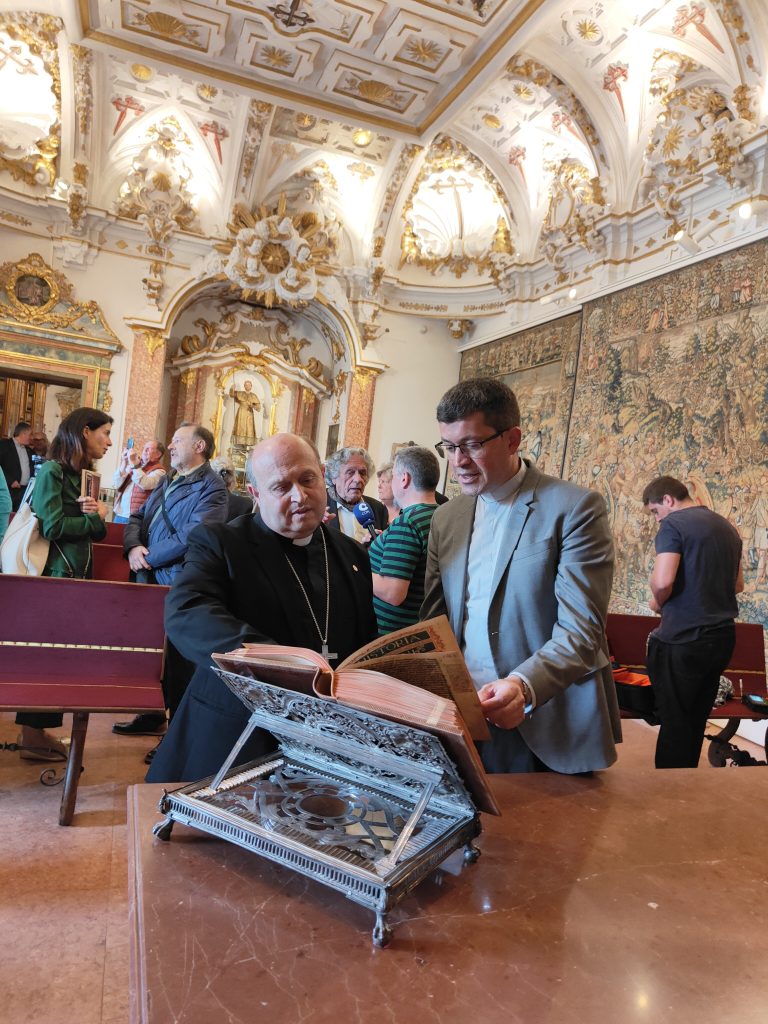
The first copy destined for Pope Leo XIV
The international significance of the project was reflected in the decision to present the first copy of the edition to Pope Leo XIV.
The gesture symbolises the enduring cultural, historical and spiritual importance of the Codex Calixtinus in the twenty-first century.
A living legacy
The Codex Calixtinus remains an essential source for understanding the history of the Way of St. James and medieval Europe.
The new facsimile edition allows readers to approach this extraordinary work with a level of detail that would have been unimaginable only a few decades ago. Thanks to the collaboration between Incipit Manuscript and the Archive of the Cathedral of Santiago de Compostela, it is now possible to experience a reproduction that respects not only the manuscript’s contents but also the physical traces of its long and remarkable history.