Medieval Pilgrimage Guide: Faith, Travel, and Survival in the Middle Ages
In the Middle Ages, pilgrimage was both a spiritual journey and a test of endurance. Pilgrims crossed mountains, rivers, and entire kingdoms in search of sacred relics and holy shrines. For them, faith was the compass, but guidance was essential. This is where the medieval pilgrimage guide came into play: practical manuals and manuscripts that provided routes, prayers, and advice to those who dared embark on the road to salvation.
Among the many routes of medieval Christendom, the pilgrimage to Santiago de Compostela in northwestern Spain stood out as one of the greatest. Pilgrims flocked to the shrine of Saint James, forming what became a cultural artery across Europe. But the Camino was not merely a path of devotion; it was also a channel of art, music, politics, and commerce.
The medieval pilgrimage guide helped travelers navigate both the physical and the spiritual landscape. Today, these guides remain essential to understanding how medieval people saw their world, their God, and themselves.
Why Medieval Pilgrims Needed Guides
A pilgrimage was not a casual walk. Medieval pilgrims faced dangers that ranged from harsh weather to bandits, diseases, and linguistic barriers. A guide was essential for several reasons:
- Itineraries and Maps: Identifying the safest routes, river crossings, and towns where travelers could find shelter or monasteries for rest.
- Spiritual Content: Prayers, litanies, and blessings to accompany the pilgrim along the journey.
- Practical Advice: Warnings about dishonest innkeepers, dangerous shortcuts, or regions notorious for banditry.
- Cultural Orientation: Descriptions of local customs, relics to venerate, and rituals to observe.
Without such guidance, the journey could be perilous. Guides transformed the unknown into a navigable path, blending practical wisdom with spiritual preparation.
The Codex Calixtinus: The Original Pilgrim’s Handbook
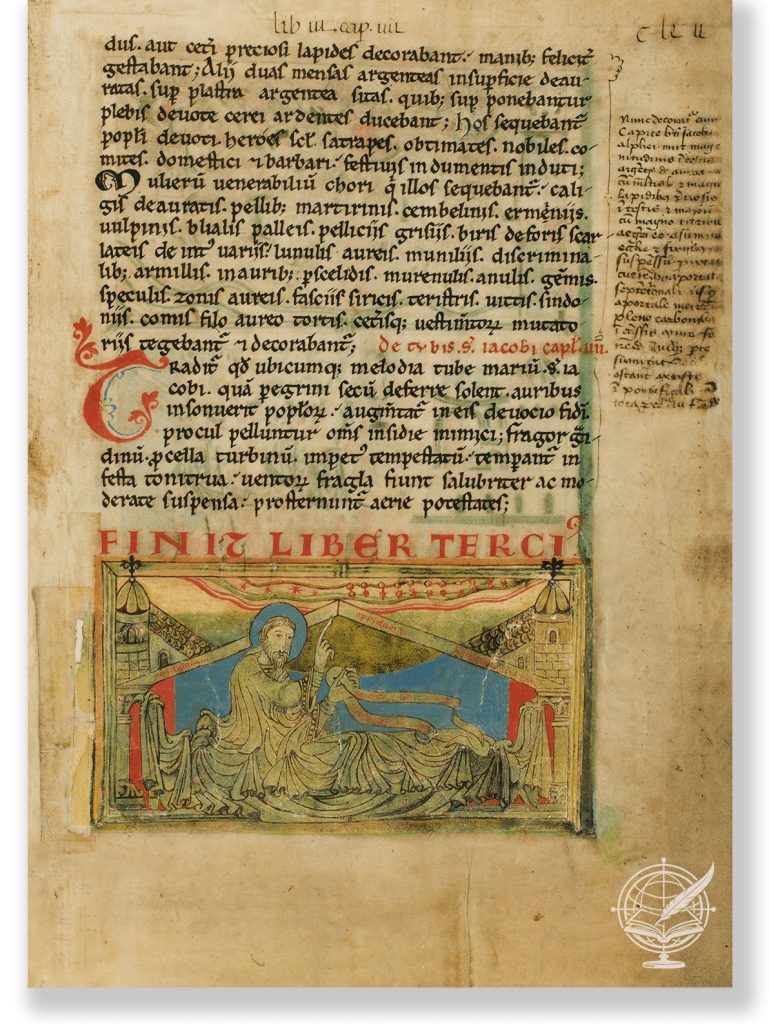
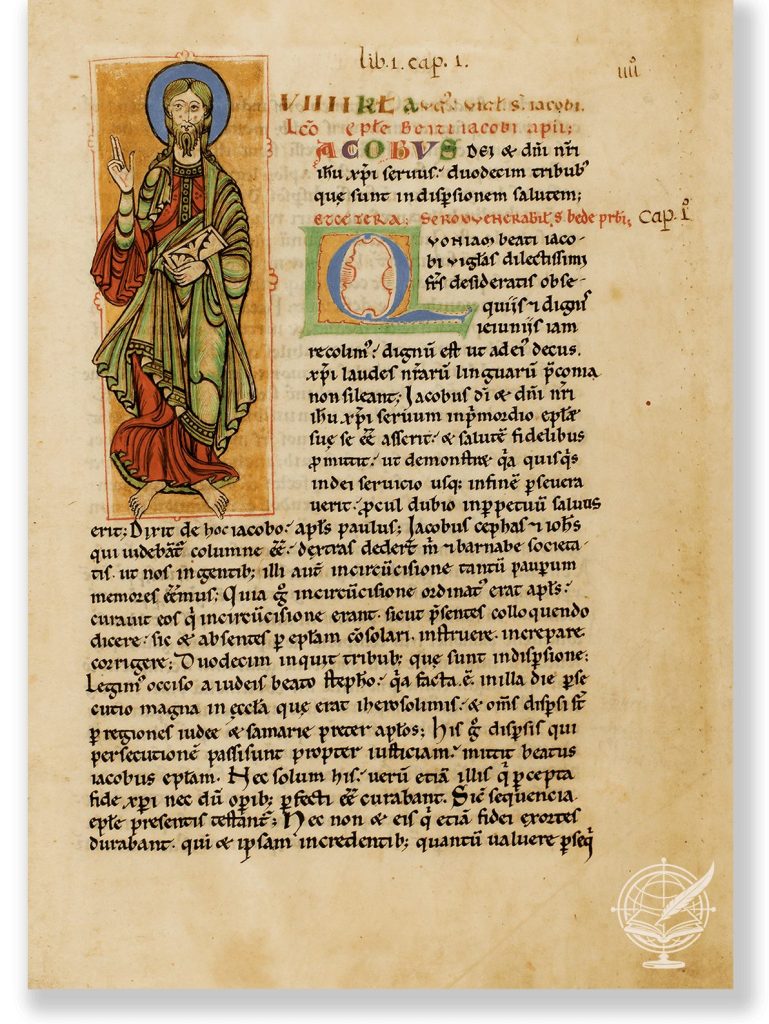
The most famous medieval pilgrimage guide is the Codex Calixtinus, compiled around 1140 and often described as the first guidebook for the Camino de Santiago.
This manuscript is not merely a travel itinerary; it is a multi-layered text that includes:
- Sermons and liturgies dedicated to Saint James.
- Collections of miracles attributed to the apostle.
- Descriptions of the roads leading to Compostela, including towns, churches, and dangers.
- Musical notations—some of the earliest examples of polyphony in Europe.
The Codex reveals how medieval pilgrims understood their journey. It told them where to pray, where to stop, and even what to beware of. More importantly, it shaped the Camino as a collective spiritual experience, not just an individual undertaking.
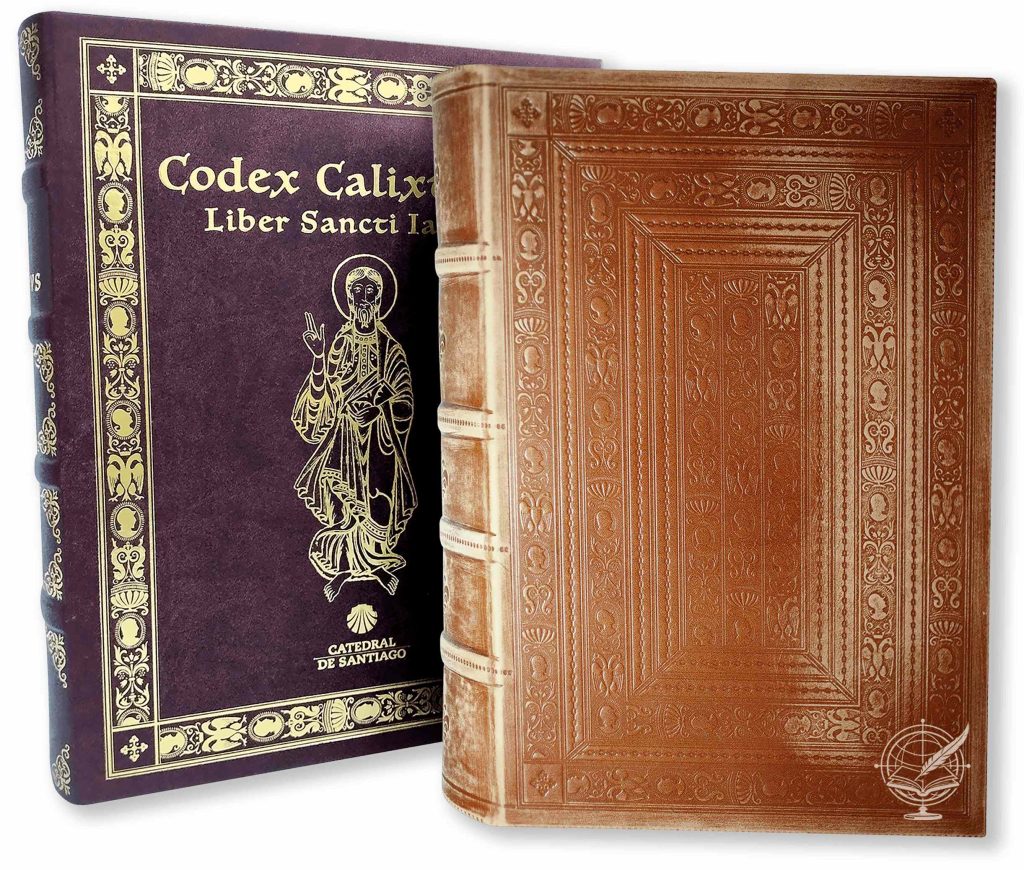
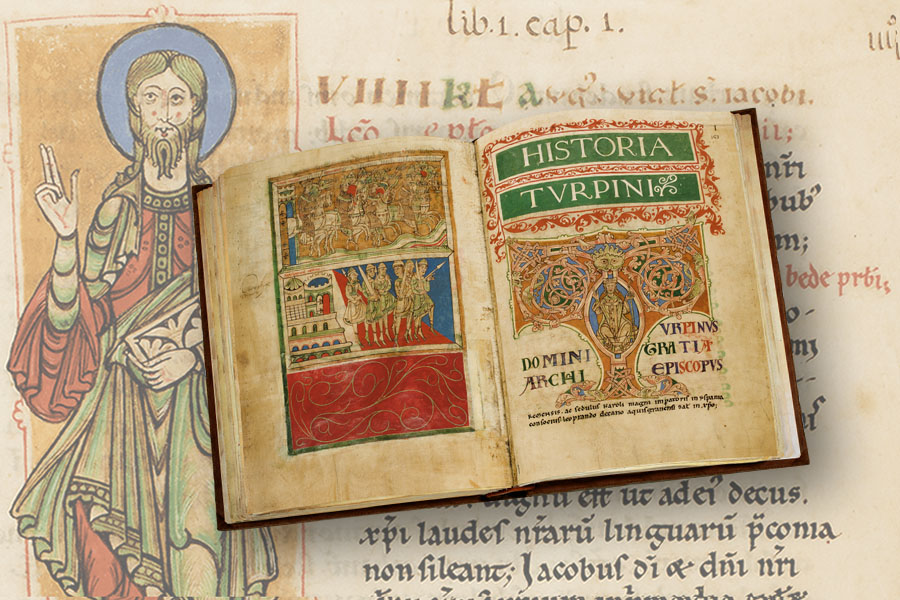
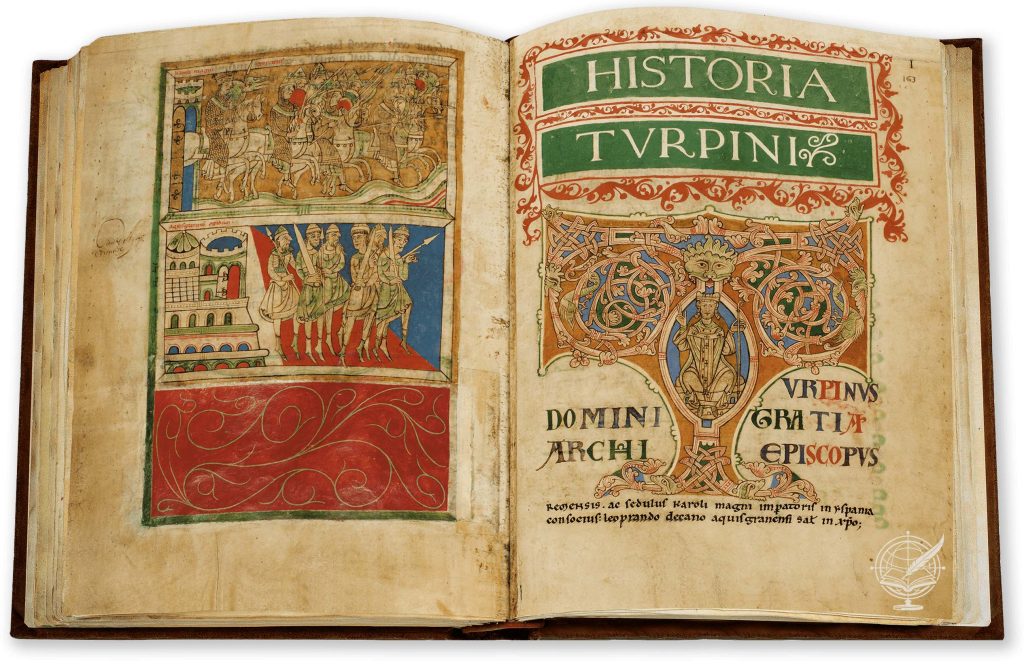
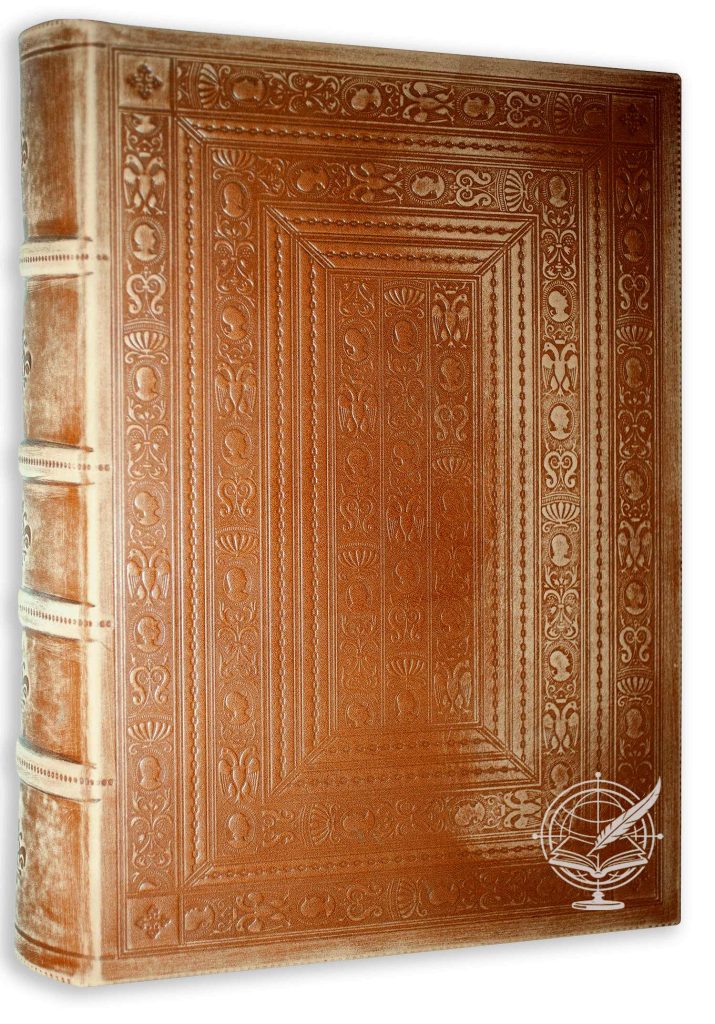
Thanks to the work of Incipit Manuscript, this monumental guide has been faithfully reproduced. Their edition respects every detail: the parchment texture, the illuminated initials, the decorated margins, and the medieval binding. Holding it is like stepping into the 12th century, seeing the Camino through the very eyes of its earliest travelers.
Itineraries, Advice, and Miracles: Inside the Medieval Guide
What makes the Codex Calixtinus and other medieval pilgrimage guides so remarkable is their diversity of content. These were not mere lists of places—they were holistic companions.
- Itineraries: Detailed routes across France and Spain, pointing out rivers, mountains, bridges, and sanctuaries.
- Advice: Warnings about unscrupulous innkeepers, thieves, and difficult terrain.
- Miracles: Stories of Saint James protecting pilgrims, reinforcing the sense that the journey was under divine care.
- Liturgy and Music: Instructions for masses, hymns, and prayers, ensuring that pilgrims remained spiritually nourished.
The combination of sacred and practical information made the guide indispensable. It provided reassurance to travelers, reminding them that their struggles were shared by countless others and sanctified by divine blessing.
Art, Music, and Devotion Along the Pilgrimage Routes
Pilgrimage was a multisensory experience. Churches and monasteries along the routes dazzled travelers with frescoes, sculptures, and stained glass. The very architecture of cathedrals in cities like León, Burgos, and Compostela reflected the grandeur of faith.
Music also played a crucial role. The Codex Calixtinus preserves some of the earliest polyphonic chants, intended to be sung in Compostela’s cathedral. These hymns elevated the liturgy, surrounding pilgrims with sound that was as transcendent as the imagery of the manuscripts they carried.
Illuminated manuscripts themselves were works of devotion. Margins filled with vines, saints, and fantastical creatures framed the sacred text, turning reading into contemplation. Guides, prayers, and miracle tales were not just words—they were visual and spiritual journeys.
The Decline and Rediscovery of Pilgrimage Texts
By the late Middle Ages, political upheavals, wars, and the Protestant Reformation contributed to the decline of pilgrimage. Many guides fell into obscurity, surviving only in monasteries and cathedral libraries.
The Codex Calixtinus itself remained hidden in Compostela’s cathedral for centuries. Rediscovered and studied in the modern era, it became invaluable for understanding medieval pilgrimage culture. Scholars recognized it as more than a guide: it is a treasure of medieval art, liturgy, and history.
Today, facsimiles ensure that this heritage is no longer confined to fragile originals. They bring medieval guides back into circulation, allowing modern readers to engage directly with the texts that shaped Europe’s spiritual geography.
Incipit Manuscript and the Revival of the Medieval Pilgrimage Guide
Among modern efforts to preserve this tradition, Incipit Manuscript stands out. Their reproduction of the Codex Calixtinus is not only visually faithful but also intellectually enriching.
- Visual Fidelity: Every miniature, every initial, and every gilded detail has been reproduced with precision.
- Material Presence: The facsimile replicates the texture of parchment and the craftsmanship of medieval binding.
- Contextual Study: A companion volume provides paleographic, liturgical, and historical analysis, helping scholars and collectors understand the codex in depth.
Owning such a facsimile is more than possessing a book—it is holding a piece of living history. For academics, it opens new paths of research. For collectors, it is a jewel of sacred heritage. For devotees, it is a bridge to the medieval spirit of pilgrimage.
Why Medieval Pilgrimage Guides Still Matter Today
In the 21st century, the medieval pilgrimage guide may seem like a relic of the past. Yet it remains deeply relevant.
- For scholars, it reveals how medieval society understood travel, faith, and community.
- For collectors, it represents the union of art, devotion, and history.
- For pilgrims, it offers a sense of continuity: to walk the Camino today is to walk in the footsteps of those who once read these guides.
Modern editions like those produced by Incipit Manuscript keep this tradition alive. They allow us to see not just the routes and prayers, but also the very mindset of medieval pilgrims—practical, faithful, and hopeful.
The medieval pilgrimage guide reminds us that journeys are never only about distance. They are about transformation.
Conclusion: Walking in the Footsteps of Medieval Pilgrims
The medieval pilgrimage guide is more than parchment and ink—it is a testament to centuries of faith and resilience. It shows us how pilgrims found their way, how they prayed, how they endured, and how they believed.
Through manuscripts like the Codex Calixtinus, faithfully revived by Incipit Manuscript, we can still hear the voices of the past. These guides are not silent artifacts but living companions, inviting us to join a journey that spans time.
To read them is to walk alongside medieval pilgrims. To hold them is to touch history. To study them is to keep their spirit alive.